TEACHER TRAINING
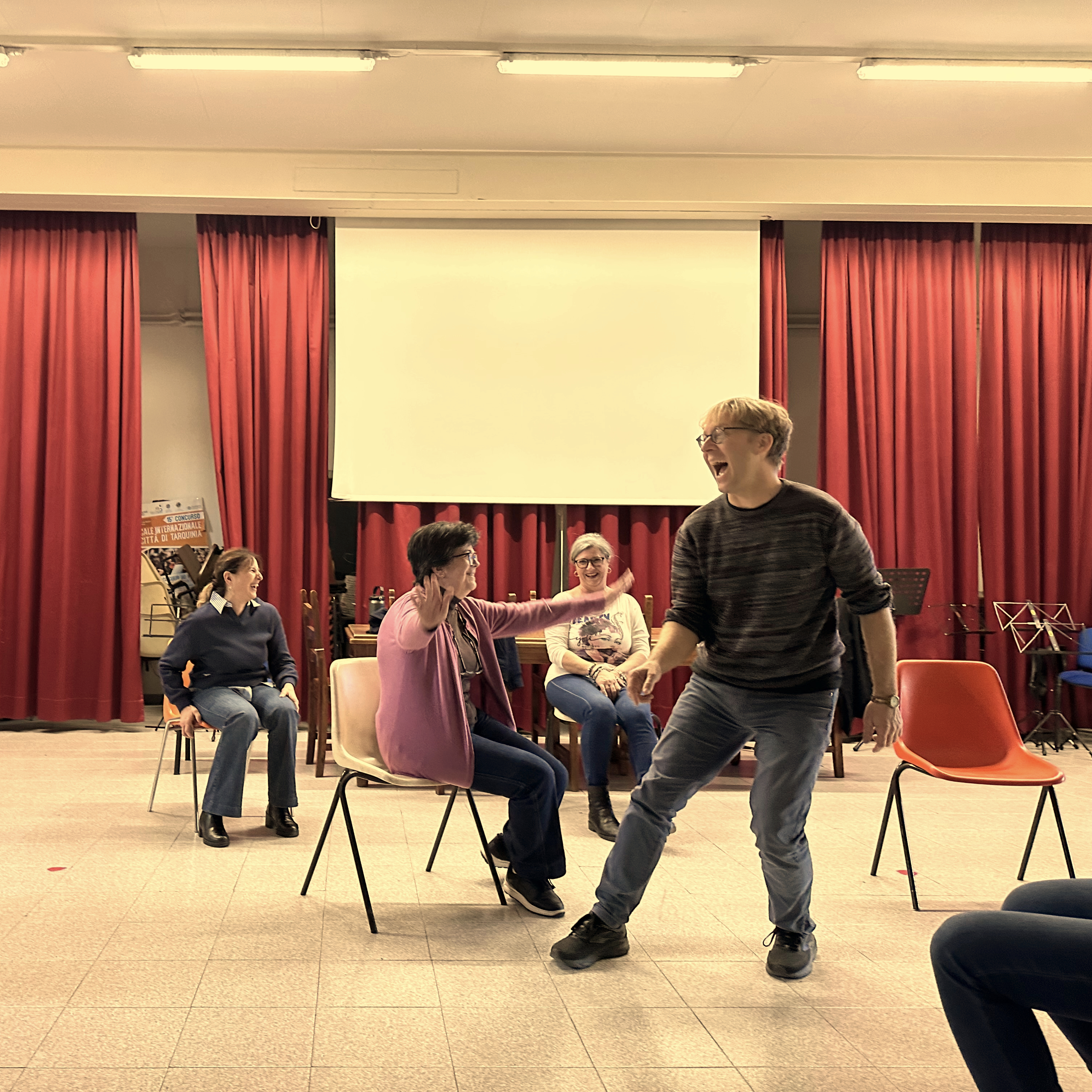
Half-day course
for language teachers
‘Everyone should have the opportunity to have an experience like this’
- Sara
‘I am not exaggerating when I say that the reflections offered
are related to life in its completeness and complexity!’
- Evelina
Important!
You don't need to be funny.
You don't need any experience in the entertainment world.
Experiential:
Participants learn techniques including how to foster "creative complicity" and how to build a playful, fun and effective didactic environment that encourages instinctive learning.
Reflection:
How to integrate practical techniques into classroom teaching activities.
This teacher training course illustrates techniques I have developed over 25 years of experience as a clown, actor, facilitator, and EFL teacher in Italian schools.
My method is a combination of theatrical exercises and theatrical clown techniques embedded in an interactive, dynamic, and fun teaching structure.
To learn more about this technique, read my book, Class Clown
Info and booking:
Contact Me
STUDENT WORKSHOPS
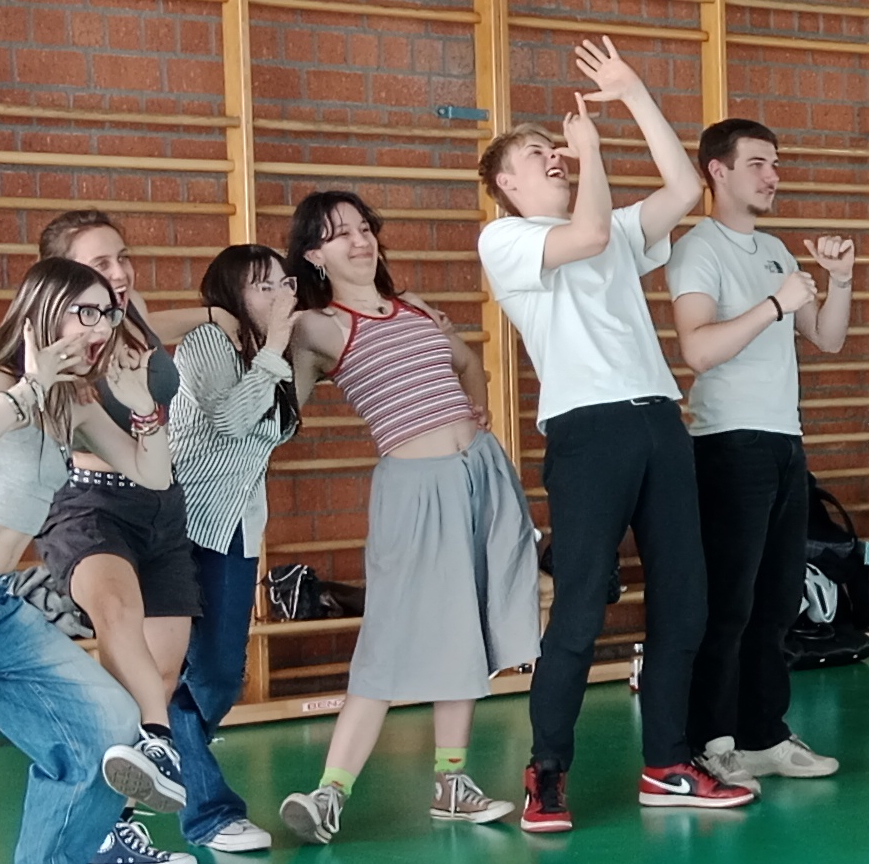
‘A creative and enjoyable experience that helped me grow personally and socially.’
- Sara
‘A really fun, perfect, loving, cool week. I can't wait to sign up again next year.’
- Runa
Description: Theatre, by its nature, is flexible and so are these workshops. They can be designed for any age group and level of experience.
Participants explore the English language in a practical manner, consolidating their knowledge while learning new vocabulary through theatrical exercises and improvisation.
The workshops are physical and energetic with the focus not only on improving the participants' level of English but also on learning the craft of theatre through practical exercises in a safe and encouraging environment.
The different areas of theatre covered can include:
- Physical Theatre
- Character Creation
- Improvisation
- Voice & Accents
- Stage Awareness
- Script Analysis
Info and booking:
Contact Me
The Ten Life Skills
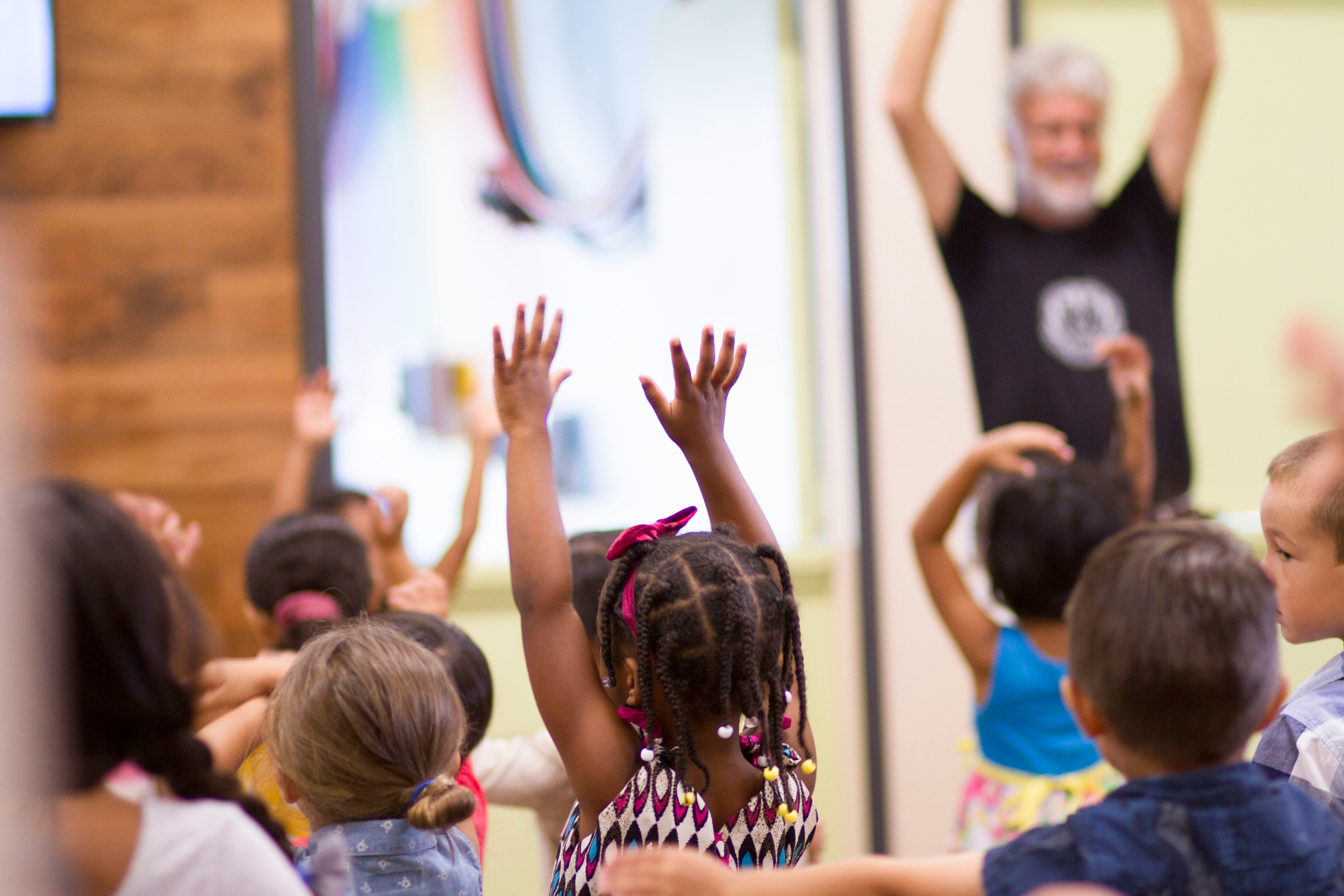
What are the social and personal benefits of participating in theatre workshops?
The World Health Organization has defined 'life skills' as:
'The abilities for adaptive and positive behaviour that enable individuals to deal effectively with the demands and challenges of everyday life.'
UNICEF defines life skills as:
'A behaviour change or behaviour development approach designed to address a balance of three areas: knowledge, attitude and skills.'
These life skills are:
The World Health Organization has defined 'life skills' as:
'The abilities for adaptive and positive behaviour that enable individuals to deal effectively with the demands and challenges of everyday life.'
UNICEF defines life skills as:
'A behaviour change or behaviour development approach designed to address a balance of three areas: knowledge, attitude and skills.'
These life skills are:
- Problem Solving
- Critical Thinking
- Effective Communication Skills
- Decision Making
- Creative Thinking
- Interpersonal Relationship Skills
- Self Awareness
- Empathy
- Coping with Stress
- Coping with Emotions